How to Start Journaling: A Simple Beginner’s Guide to Self-Discovery

All photographs are original works taken and created by dreamlikediana. All artwork and content are protected by copyright law. Reproduction or distribution without express written permission is strictly prohibited. ©DREAMLIKEDIANA - All Rights Reserved
Do you ever find yourself overwhelmed by thoughts swirling around in your mind, wishing for a way to organize them or make sense of your emotions? If so, you're not alone. Journaling has been a timeless practice embraced by many individuals seeking clarity, self-reflection, and personal growth. Whether you're an aspiring writer, a busy professional, or simply someone navigating life's ups and downs, keeping a journal can be a transformative experience.
Today I’m doing something different than I usually do on my blog. I crafted this simple beginner's guide to journaling for anyone not knowing how or where to start. It may seem simple to most, but to others this may not come naturally. A lot of us weren’t exposed to the practice of journaling at any age. Therefore, we'll explore the art of journaling, together, and provide you with practical tips to start your own journaling journey.
Just a heads-up: None of my blog posts are not sponsored! Every post is honest and straight from the heart, sharing information and value that I believe could genuinely benefit you. This post does include affiliate links, which means I might earn a small commission if you make a purchase (at no extra cost to you!). Want to know more about the brands I’m affiliated with? Click here to learn more! 😊💖 Psst... I also run a small art shop! If you love cute, useful things like stickers, journals, or creative tools—check out what’s new in my store.



Understanding the Purpose of Journaling
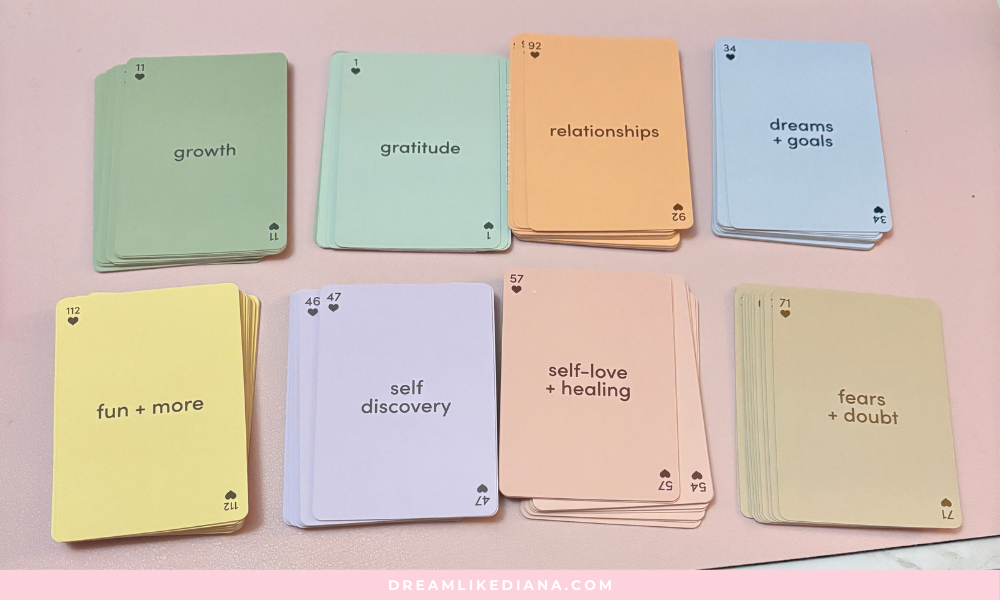
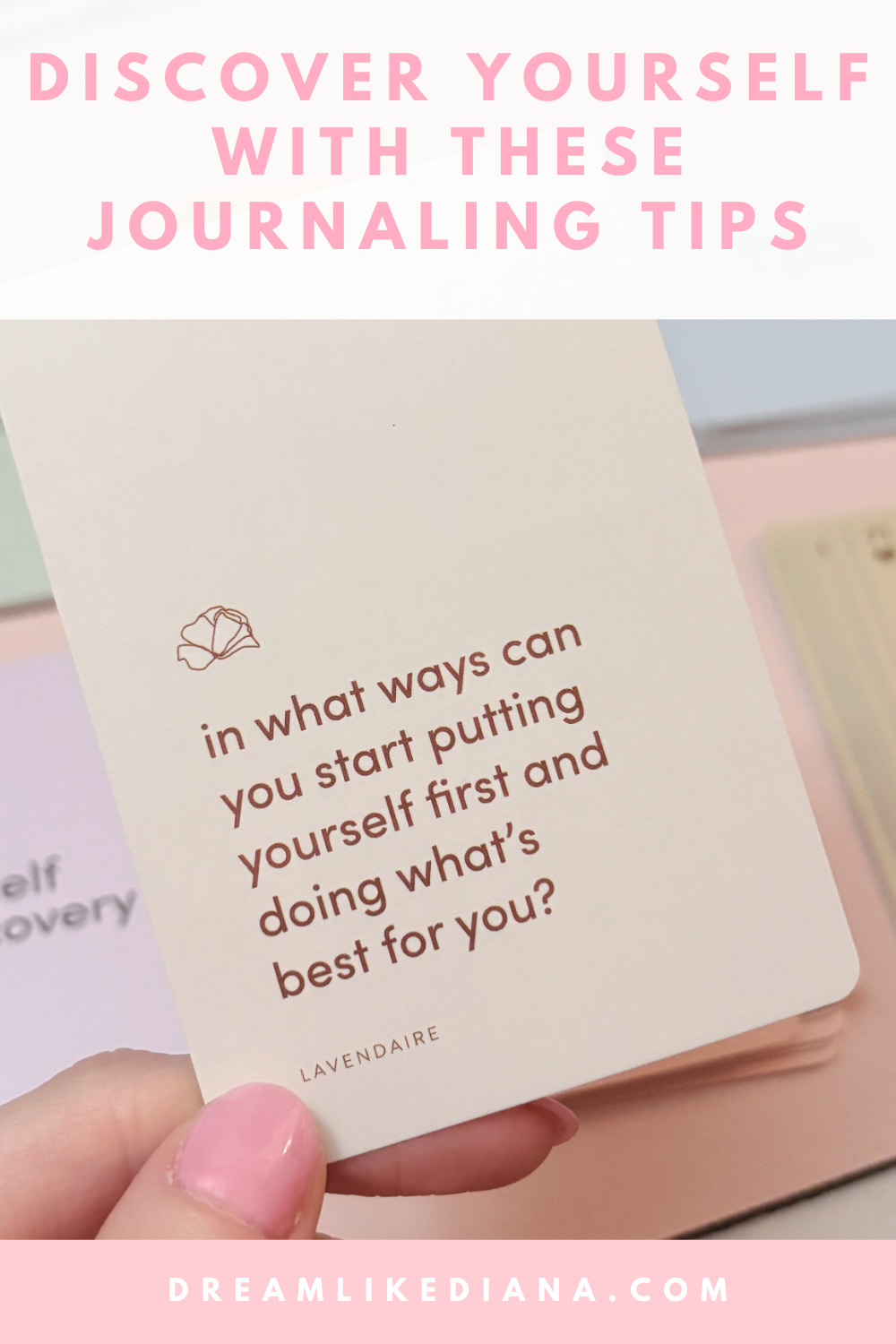
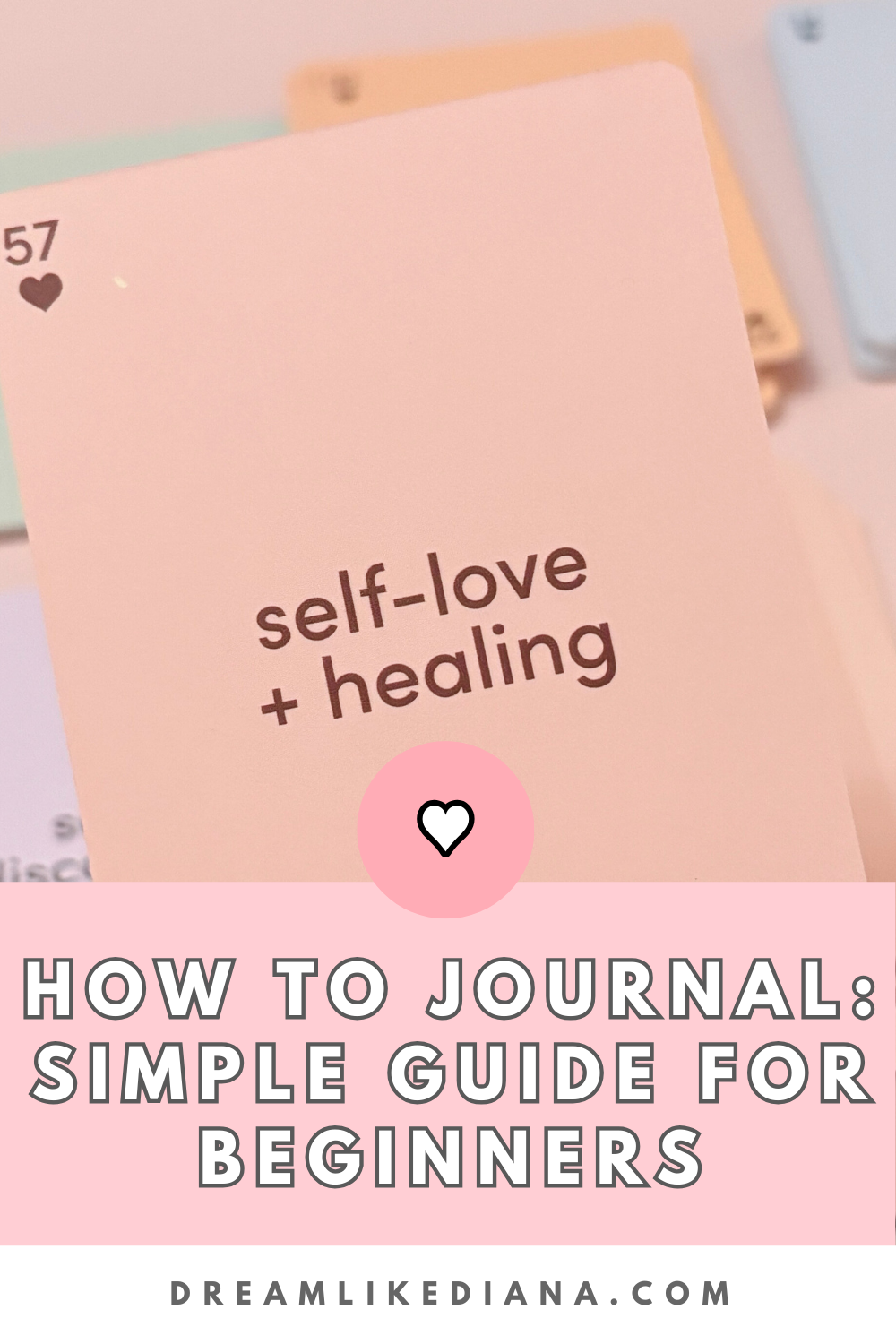
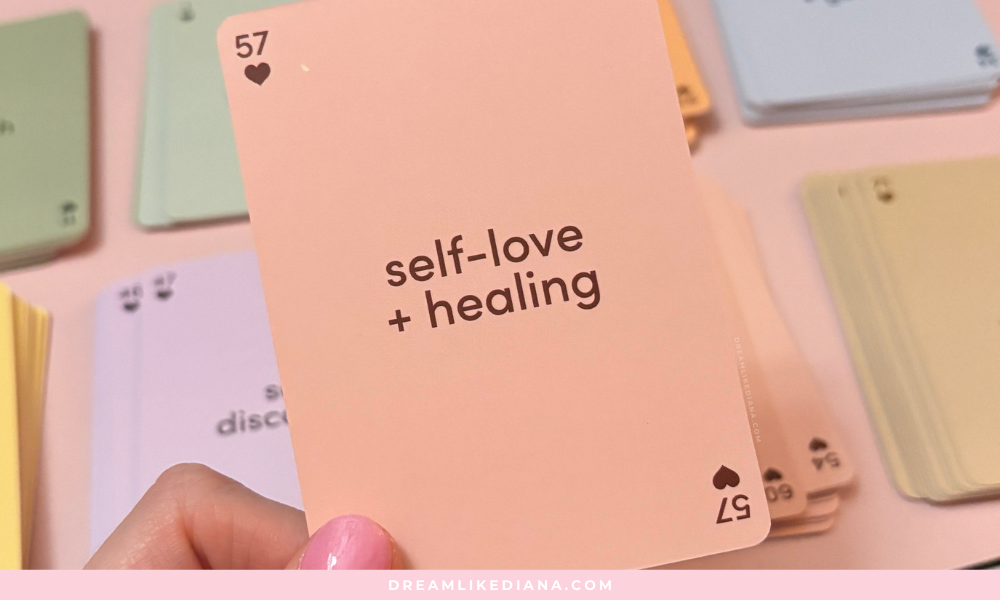
tbh deck by Lavendaire
Before you begin, it's essential to understand why you want to keep a journal. Journaling serves various purposes, including:
Self-Reflection: Journaling allows you to explore your thoughts, feelings, and experiences, providing a deeper understanding of yourself.
Emotional Release: Writing about your emotions can be cathartic, helping you process difficult feelings and experiences.
Goal Setting: Keeping a journal can help you set and track personal and professional goals, keeping you accountable and motivated.
Creativity Enhancement: Journaling can stimulate your creativity and serve as a space for brainstorming ideas, jotting down inspirations, and exploring new perspectives.
You can journal about anything and everything! A journal is a very personal tool, but in order to keep journaling you have to make it a priority. But to do that, you have to know your why. Why do you want to journal? Understanding your why will help you along this journey. It’ll help keep you consistent.
Starting Your Journaling Journey

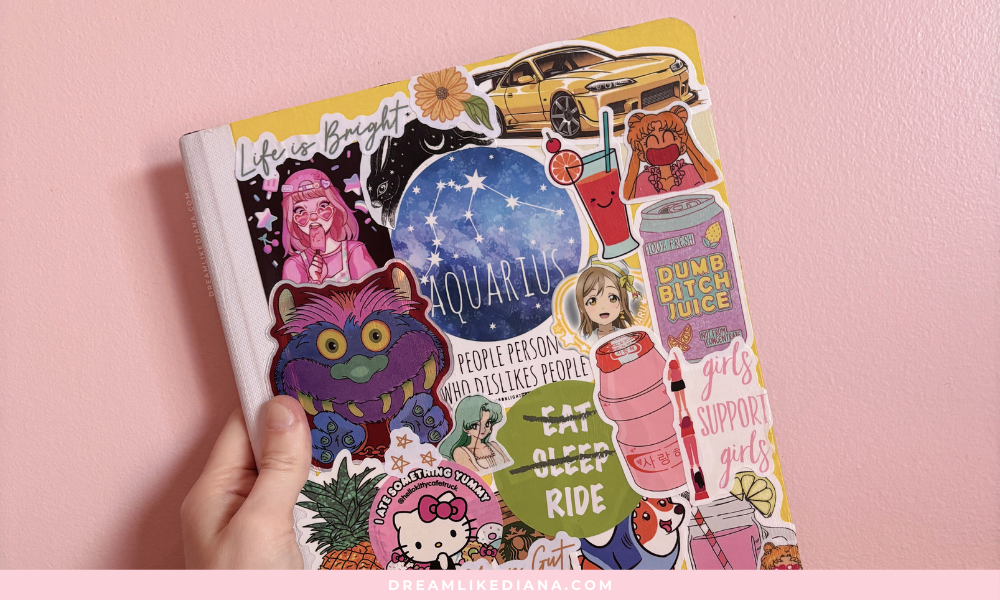
There is no right or wrong journal; you can start wherever you want to with whatever you own. I started with a regular school grade copybook and made it my own by adding stickers to the covers. I like to decorate the pages however I see fit. The pages may not be the greatest, but the point is there is no right or wrong journal—you just have to start.
You can also work in a digital journal with Notion or Google Keep, or write little journal notes to yourself in the days of your planner. Your journal is for you and whatever works for you.
Don't look at social media or what others are doing. Grab what suits you and just start writing.
Simple & Easy 5 Minute Journal Exercise
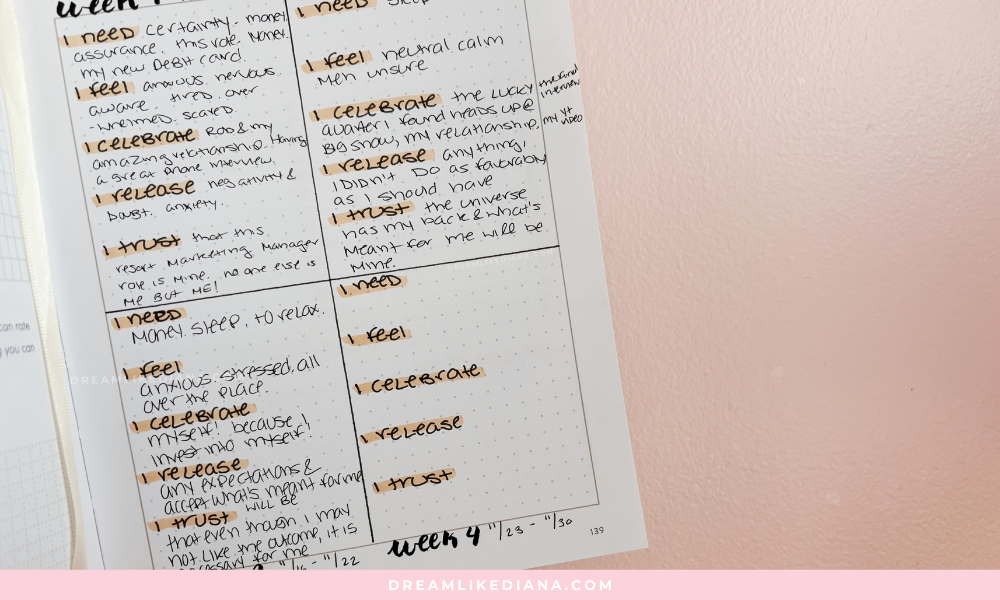
It doesn’t need to be pretty. You just need to start!
This simple exercise you can do right now! It’s a great way to help get into the habit of journaling and starting where you are when you can.
Get out a digital note taking app or grab some pen and paper. Write down these prompts:
I need…
I feel…
I celebrate…
I release…
I trust…
Write down everything that comes to mind. This is also journaling. This is where you can get your start if you aren’t big into writing in depth! I use this as a weekly reflection and a check-in with myself.
Establishing a Routine
Consistency is key to reaping the benefits of journaling. Set aside dedicated time each day or week to write in your journal. Whether it's first thing in the morning, during your lunch break, or before bed, find a time that works best for you and commit to it.
Eventually over time, journaling will be a habit and you don’t need to schedule time in. You’ll just grab the nearest writing tool and start writing. I journal everywhere! I journal on the go. I journal at home. I journal whenever I can. Journaling is a conversation with myself, but it’s also kind of like going to see a therapist. I help myself make sense of everything that’s in my head and in my heart.
Getting Started with Prompts
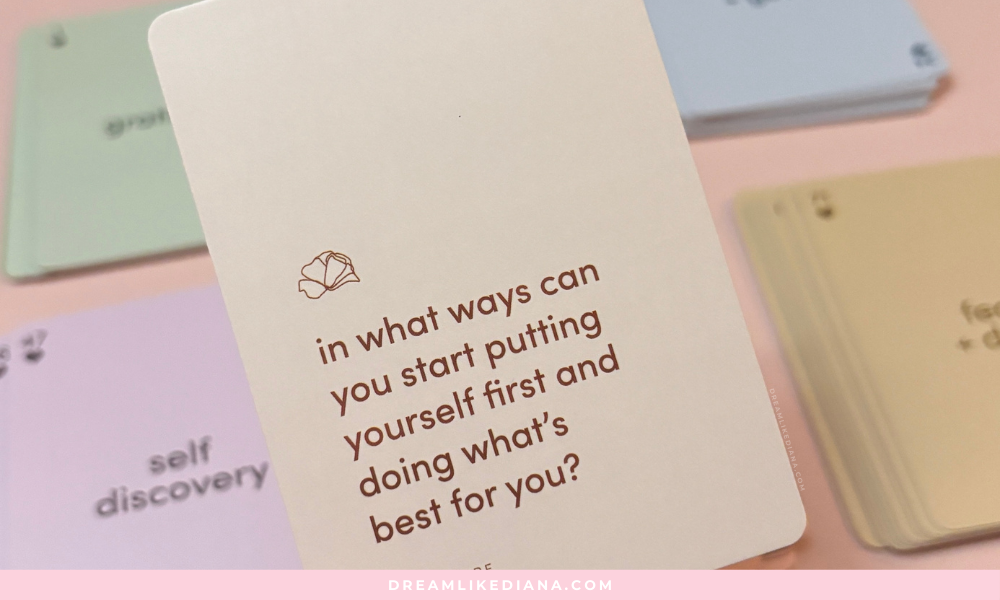
You can find many awesome journaling prompts on my blog, but also, the tbh deck by Lavendaire is a great resource as well! Lavendaire has gifted my audience a 10% off discount with code DREAMLIKEDIANA10 at checkout!
If you're unsure where to begin, writing prompts can be a helpful tool to kickstart your journaling practice. Here are a few prompts to inspire your writing:
Gratitude Journaling: Write about three things you're grateful for each day.
Daily Reflection: Reflect on your day and write about the highs, lows, and lessons learned.
Future Self: Write a letter to your future self, expressing your hopes, dreams, and aspirations.
Stream of Consciousness: Set a timer for five minutes and write whatever comes to mind without censoring or editing.
I also own the tbh deck by Lavendaire, which has many different journal prompts to choose from as well as on many different topics. I like to shuffle them and think about what I need in that moment. Sure enough, a card pops out that’s exactly what I need in that moment!
If that’s not for you, I also have many blog posts with journal prompts to choose from!
But again, journaling is personal. You can journal about your favorite movie, you can doodle, you can write everything that’s on your mind right now! You can journal about the song that’s currently stuck in your head. Journaling has no boundaries, it is limitless! There is no right or wrong way to journal.
Still not sure where to begin? Or how?
My printables are made for exactly this—brain dumps, healing, and gentle nudges. Start Journaling the Easy Way → Download My Beginner Printables

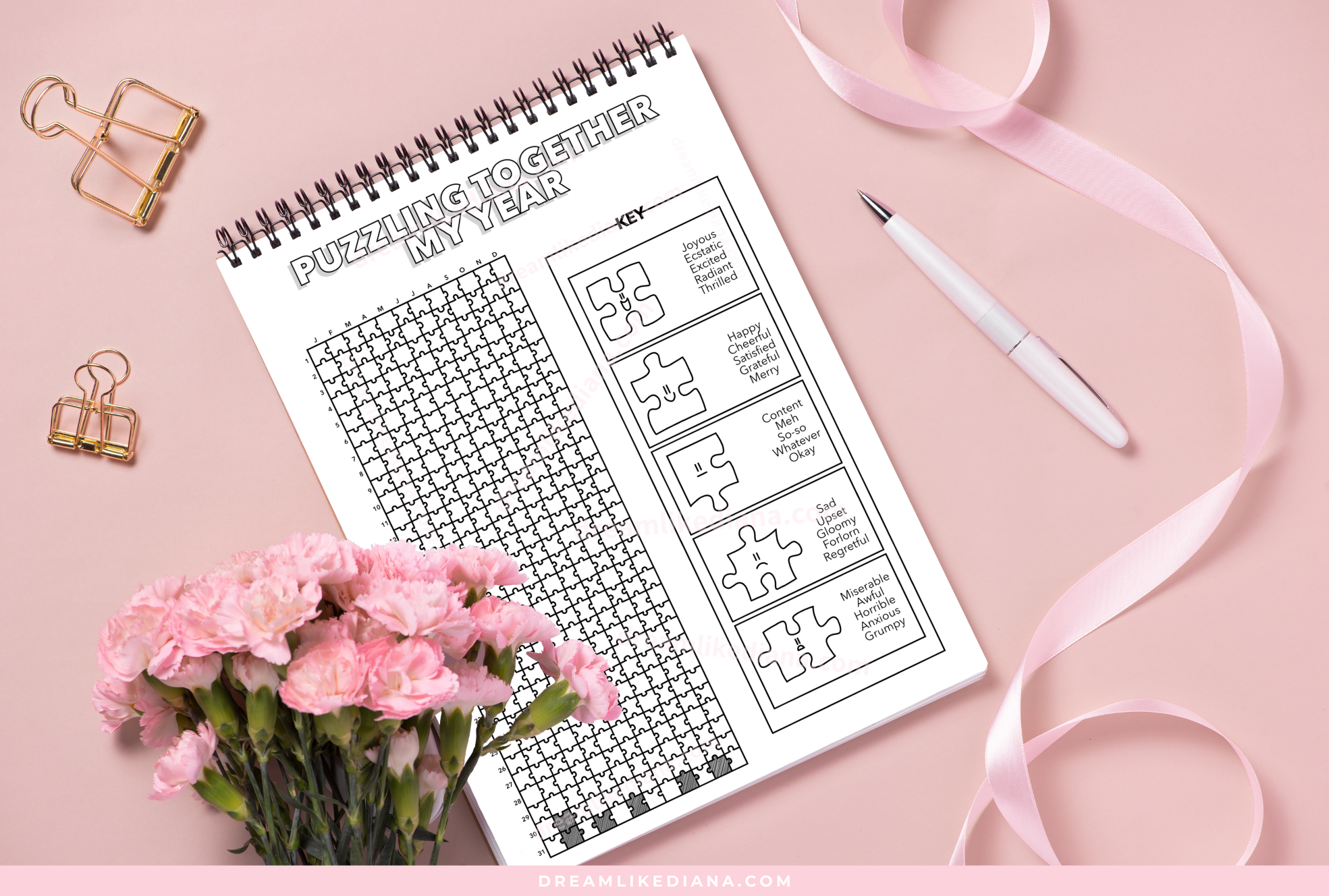

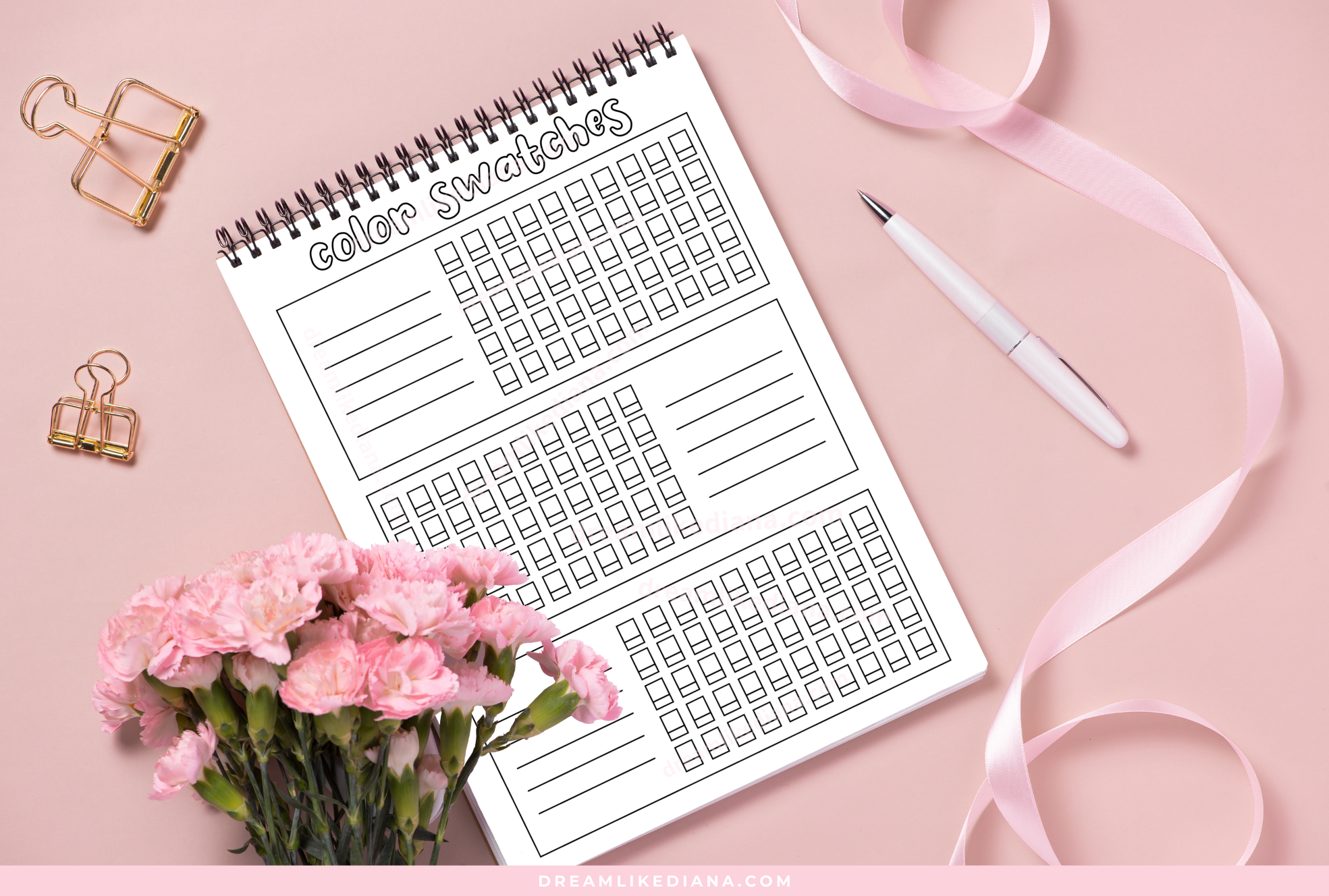
I know starting a journaling habit can feel intimidating, so I made these guided printables to help you get started without overthinking.
Embracing Vulnerability
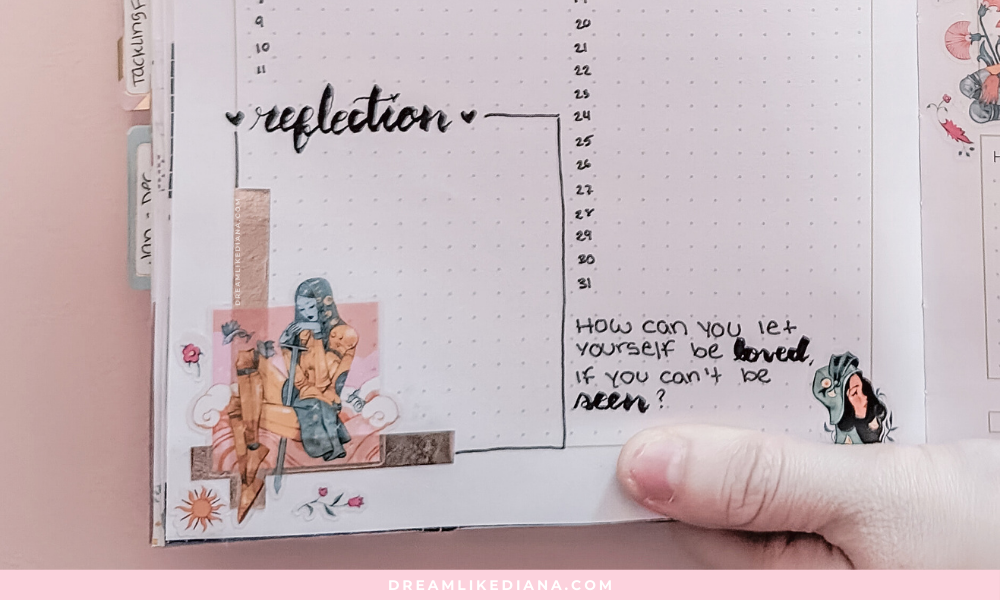
How can you let yourself be loved, if you can’t be seen?
Journaling is a deeply personal practice that requires vulnerability and honesty with yourself.
Allow yourself to explore your innermost thoughts and feelings without judgment.
Remember, your journal is a safe space for self-expression and self-discovery.
No one needs to see it but you!
And I understand how uncomfortable it may be to sit alone with yourself and write what you’re thinking or feeling, but we as humans only grow when we step outside of our comfort zones. It will be weird at first, it will be uncomfortable, but over time it will bring you clarity, peace, and strength.
Reviewing and Reflecting
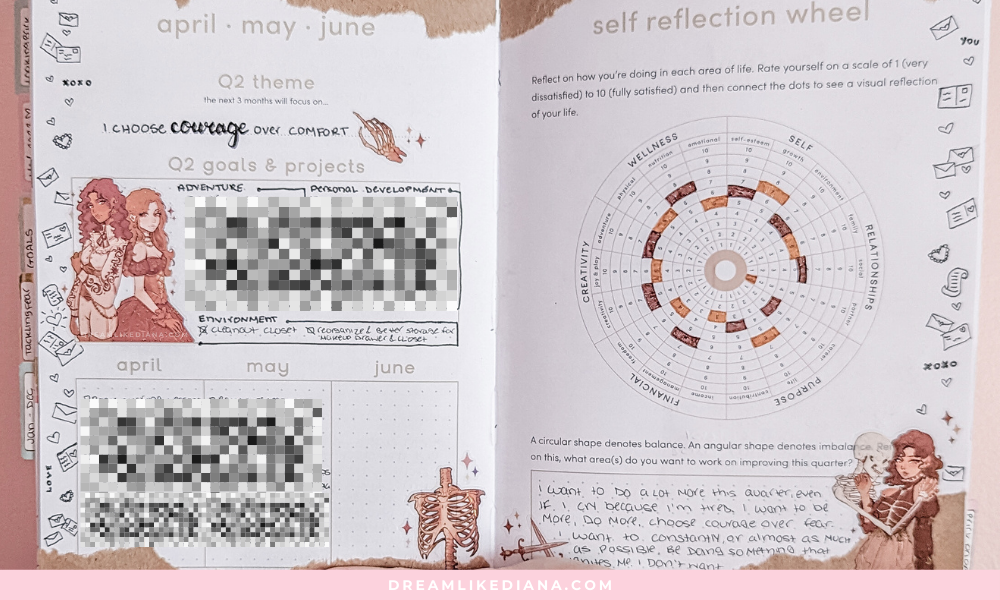
The Artist of Life workbook by Lavendaire is a great reflection tool for any and all personal growth goals! If you don’t know how to achieve big things, this workbook is great for that!
Periodically review your journal entries to track your progress, observe patterns, and celebrate growth. Reflect on how journaling has influenced your mindset, behavior, and overall well-being. Adjust your approach as needed to ensure your journaling practice continues to serve you effectively.
Why this is relevant: Take a closer look & a deeper dive into the Artist of Life workbook. This is a great guided journal for anyone who needs more direction in where to start. Or wants a yearly dedicated direction. This isn’t necessary, but it’s an alternative to traditional journaling.
TL;DR:
Set Intentions: Before diving in, take a moment to reflect on why you want to start journaling. Is it to process emotions, set goals, track progress, or simply record daily thoughts? Clarifying your intentions can help guide your journaling practice.
Choose Your Medium: Consider what type of journaling medium resonates with you. Whether it's a traditional notebook, a digital journaling app, or even voice recordings, pick a format that feels comfortable and accessible to you.
Embrace Imperfection: Remind yourself that journaling is a personal journey, and there's no right or wrong way to do it. Embrace imperfection and give yourself permission to write messy, unfiltered thoughts without judgment.
Start Small: Begin with small, manageable chunks of time for journaling. It could be as little as five minutes each day. As you build consistency, you can gradually increase the duration of your journaling sessions.
Experiment with Prompts: If you're unsure of what to write about, experiment with journaling prompts to spark inspiration. These prompts can range from reflective questions to creative exercises, helping you explore different facets of your life and emotions.
Write Freely: Let go of any pressure to write perfectly or impressively. Instead, focus on writing authentically and honestly. Remember, your journal is a safe space for your thoughts and feelings, free from external judgment.
Capture Moments: Use your journal as a tool to capture meaningful moments and memories from your day-to-day life. Whether it's a funny anecdote, a profound realization, or a simple gratitude list, jot down anything that resonates with you.
Create Rituals: Incorporate journaling into your daily routine by establishing rituals or cues that signal it's time to write. It could be as simple as enjoying a cup of tea while journaling in the morning or winding down with journaling before bed.
Reflect and Review: Periodically revisit your journal entries to reflect on your growth and progress over time. Notice patterns, insights, and shifts in perspective, using them as valuable feedback for your personal development journey.
Stay True to Yourself: Remember that your journal is for you and you alone. Resist the urge to compare your journaling style or content to what you see on social media. Trust your instincts and stay true to yourself, allowing your journal to be a genuine reflection of who you are.
By incorporating these non-cliché approaches, you can create a journaling practice that feels authentic, fulfilling, and uniquely yours. Remember, the most important thing is to start where you are and let your journaling journey unfold organically.
Staying Consistent with Journaling
Consistency is key to reaping the full benefits of journaling. Here are some helpful tips to help you stay on track with your journaling practice:
Set Realistic Goals: Start small and set achievable goals for your journaling practice. Whether it's writing for five minutes each day or journaling three times a week, setting realistic goals will make it easier to stay consistent.
Establish a Routine: Incorporate journaling into your daily or weekly routine. Choose a specific time of day that works best for you, whether it's first thing in the morning, during your lunch break, or before bed. Consistently journaling at the same time each day will help it become a habit.
Create Accountability: Share your journaling goals with a friend, family member, or accountability partner. Knowing that someone else is aware of your commitment to journaling can help motivate you to stay consistent.
Use Reminders: Set reminders on your phone or calendar to prompt you to journal. This can help ensure that you don't forget to take time for your journaling practice, especially when life gets busy.
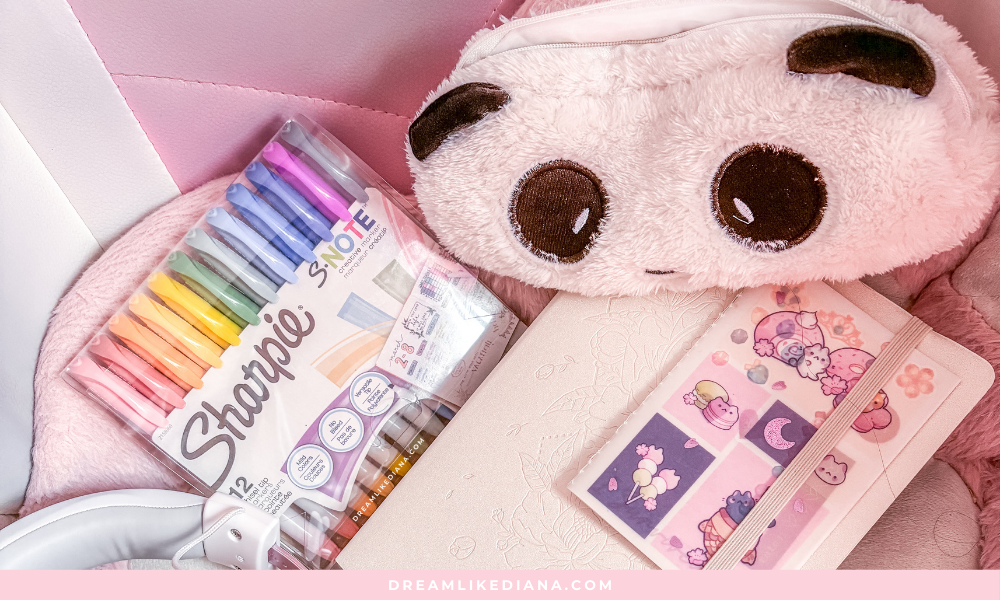
Make It Enjoyable: Find ways to make journaling an enjoyable experience. Experiment with different writing tools, such as colorful pens or markers, or create a comfortable and inspiring space to write in. The more you enjoy the process, the more likely you'll be to stick with it.
Be Flexible: Life can be unpredictable, so it's important to be flexible with your journaling routine. If you miss a day or two, don't be too hard on yourself. Instead, pick up where you left off and continue moving forward with your practice.
Track Your Progress: Keep track of your journaling habits and progress over time. You can use a habit tracker or simply mark each day you journal on a calendar. Seeing your progress visually can be motivating and reinforce your commitment to consistency.
Reflect on the Benefits: Take time to reflect on how journaling has positively impacted your life. Whether it's providing clarity, reducing stress, or fostering self-awareness, acknowledging the benefits of your journaling practice can inspire you to continue.
By implementing these tips into your journaling routine, you can cultivate a consistent and rewarding practice that supports your personal growth and well-being.
Do I Journal?


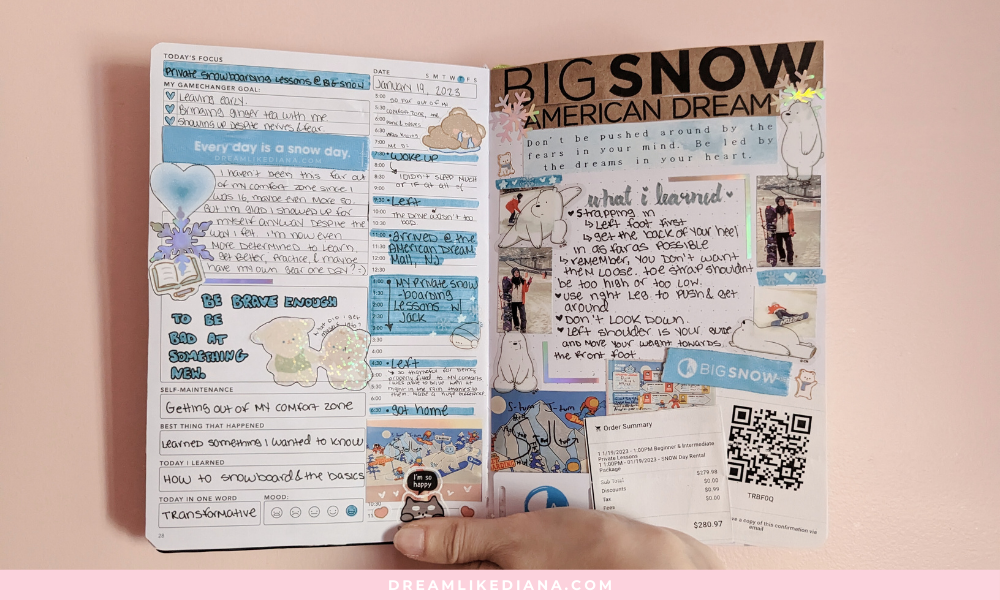
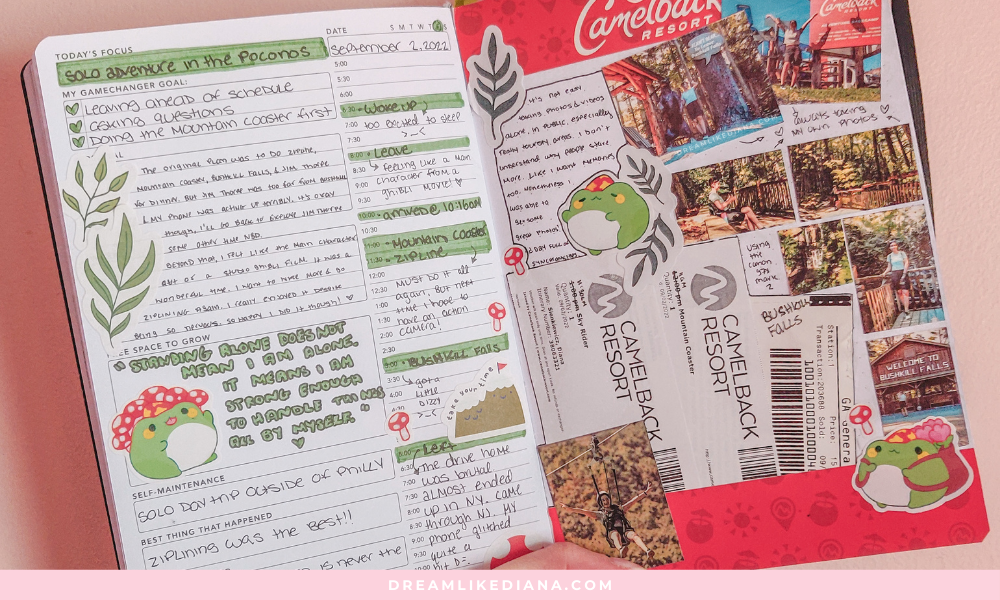
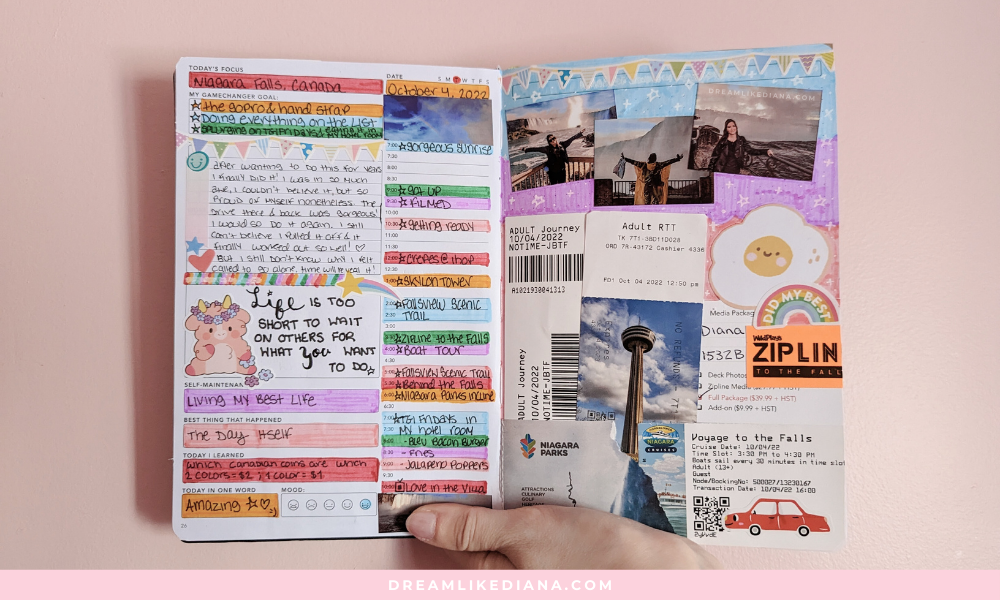
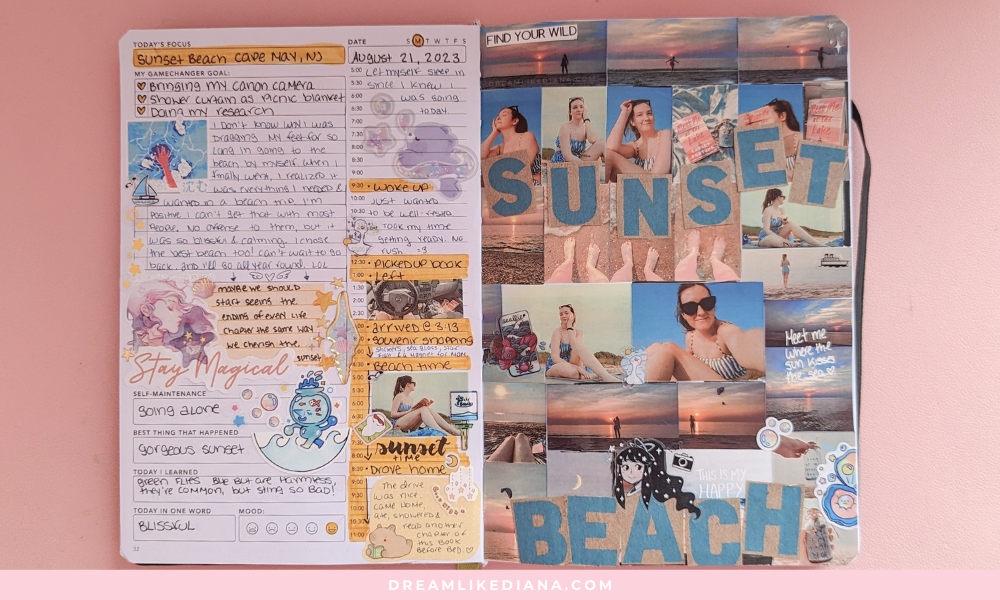
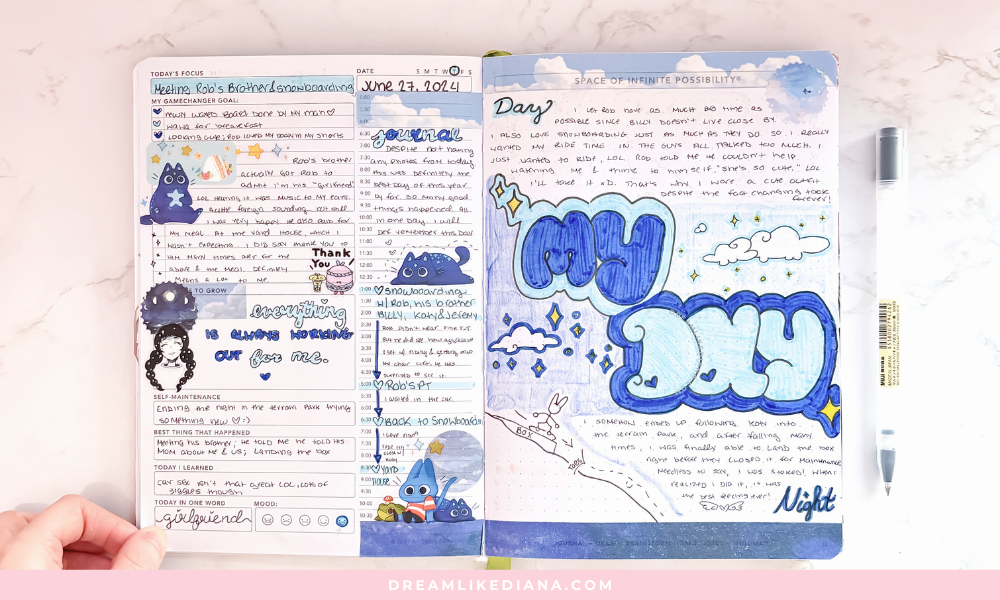
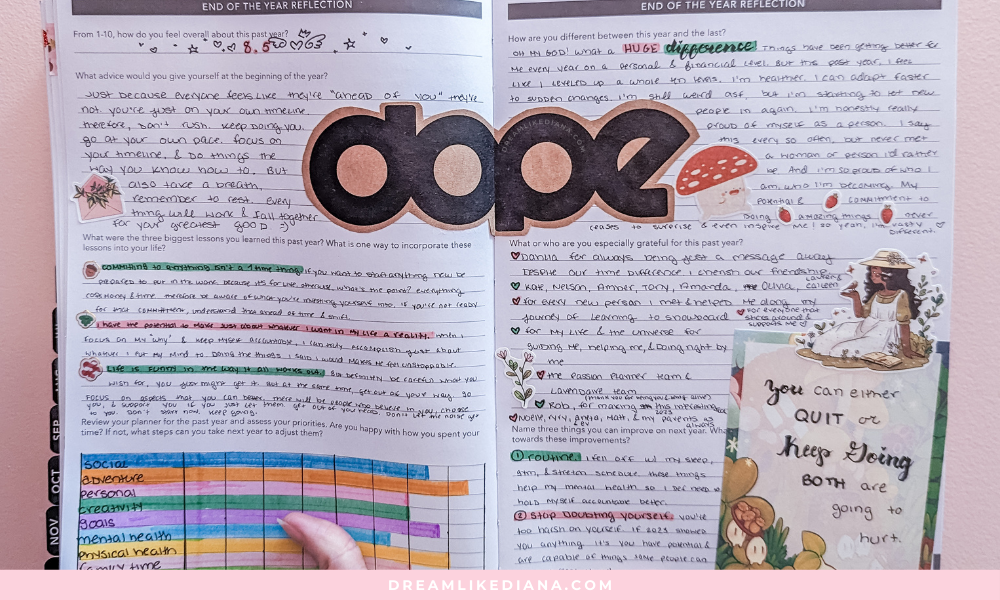
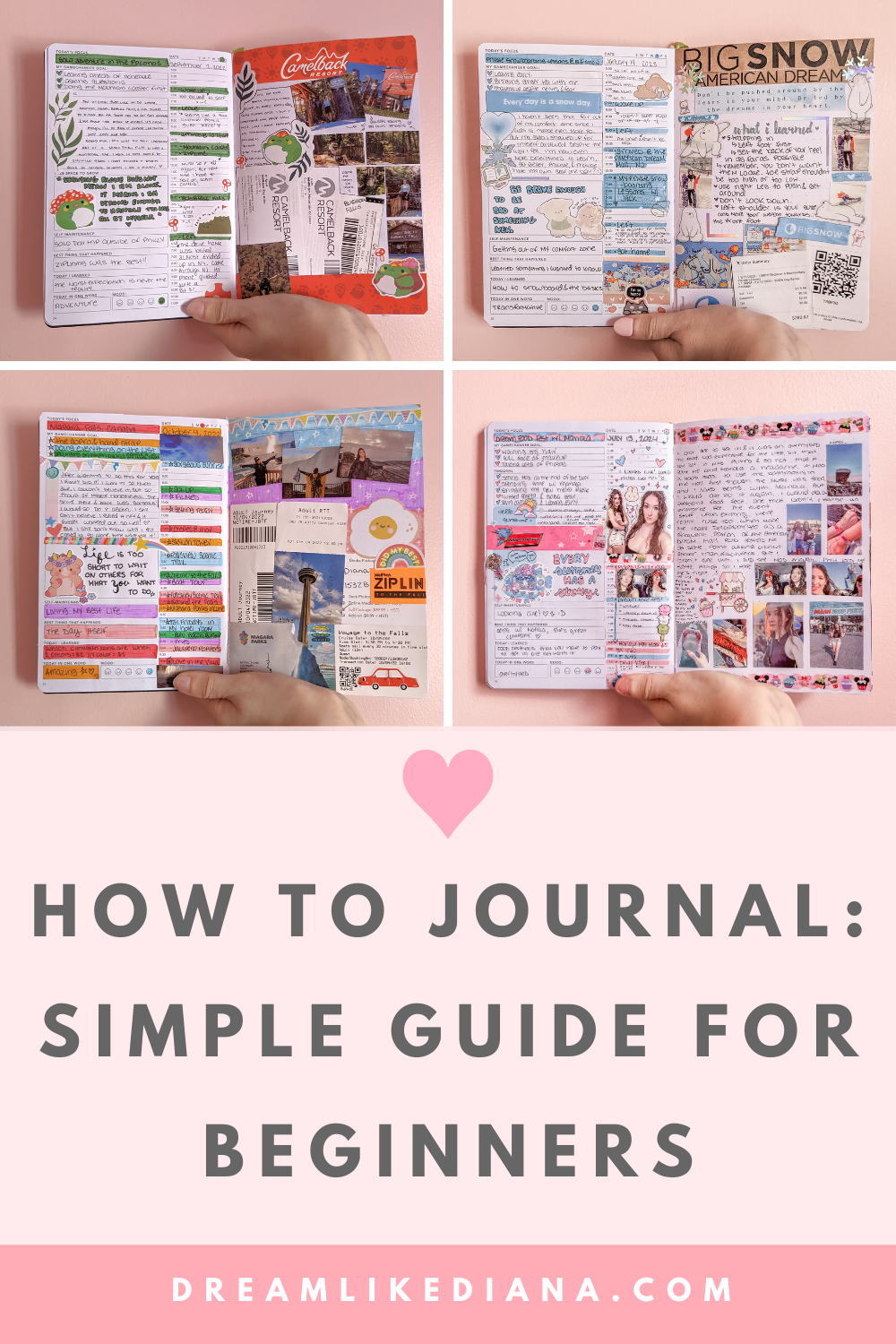
I journal quite frequently; it's the only way to make sense of all the noise that goes on in my head. However, I approach journaling in a diverse manner, utilizing different journals for various aspects of my life. Some I utilize more than others, like shown above. Let me take you through my journaling journey:
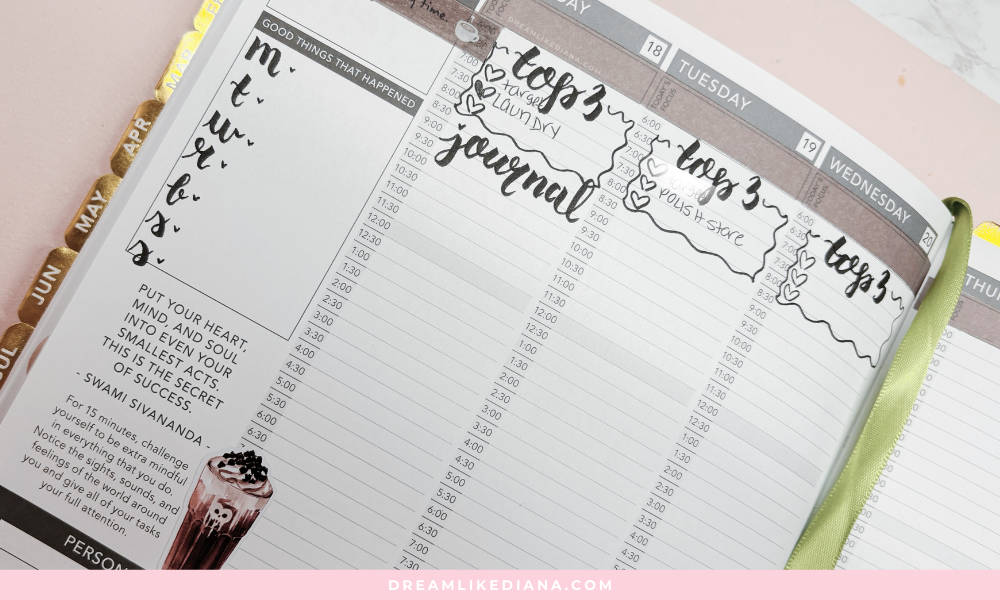
Passion Planner: For quick daily entries detailing what I did each day, I turn to my Passion Planner. Its structured layout helps me jot down important events and tasks efficiently.
Artist of Life Workbook: At the end of each week, I reflect on my accomplishments, challenges, and growth in my Artist of Life Workbook. This reflective practice helps me gain insights and set intentions for the week ahead.
Lavendaire’s Joy Journal: This is a quick 5-minute morning & night gratitude journal with 6-months worth of pages. I love how none of the prompts repeated themselves day after day. I won’t lie, I put this one down every so often and pick it right back up when I need it again. I don’t do all the pages back to back. I’ve tried others The Five Minute Journal and other gratitude journals, but the Joy Journal has great paper quality and alternating prompts!
Notion: I utilize Notion for specialized journals like my tarot and moon journals. With its customizable database templates, I can organize my readings and observations systematically.
Passion Planner Daily: Any adventures or notable experiences find their way into my Passion Planner Daily pages. Whether it's a spontaneous outing or a meaningful encounter, I capture these moments to cherish later.
Monthly Reflections: In my Passion Planner, I reserve dedicated space for monthly reflections. This allows me to zoom out and evaluate my progress and priorities on a larger scale.
Personal Copybook: Lastly, my raw thoughts and feelings are poured into my trusty copybook turned journal. Its blank pages serve as a canvas for my innermost thoughts, unfiltered and unapologetic.
While my approach to journaling may seem scattered, it's a deliberate choice that reflects the multifaceted nature of my life. I am consistent in my journaling, but not necessarily with where I journal. The only three places I am consistent with is my:
Passion Planner Daily
my Passion Planner (yearly),
and my Artist of Life workbook.
This flexibility allows me to adapt to different contexts and moods, ensuring that my journaling practice remains authentic and meaningful.
In the end, journaling is a deeply personal journey, and there's no one-size-fits-all approach. It's about finding what works for you, whether it's structured planners, digital platforms, or handwritten notebooks. Sometimes, you just need to stop thinking and let it all out, trusting that your journal will be there to hold your thoughts and emotions, no matter where or how you choose to express them.
Why this is relevant: START WHERE YOU ARE! You don’t need a fancy new notebook to begin your journaling journey. You just need a place to write. Whether it’s Notion or a copy book you have lying around. You can decorate it and make your own notebook/journal cover with this simple DIY. I utilized this same method to create this sticker collage on a regular copybook, pictured below.
Personally, if I’m being honest…
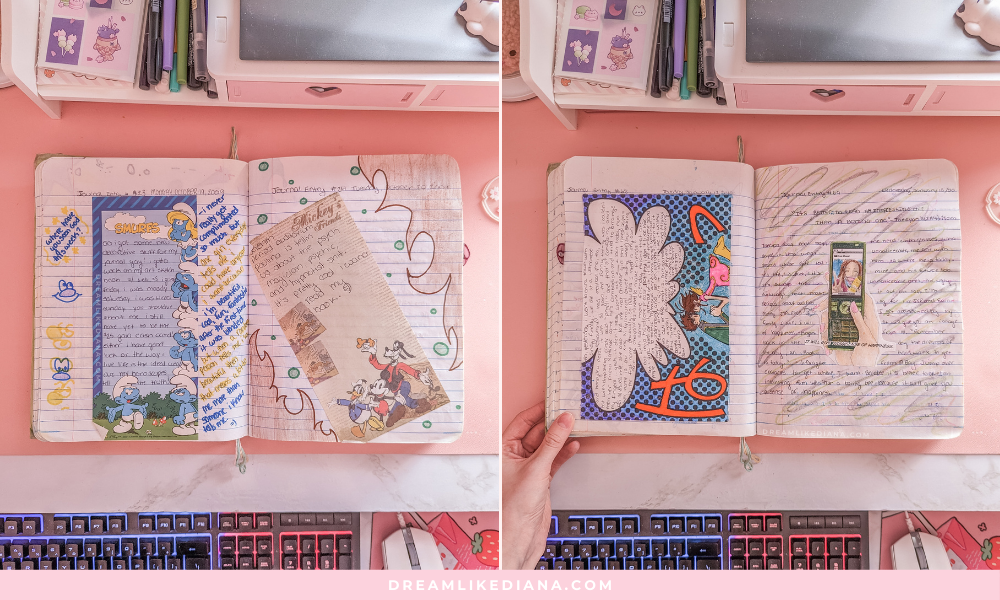
Journaling is very therapeutic to me. Journaling has been life changing for me!
I was never into journaling, and my mom even finds it stupid and childish! I don’t know how, but okay. But I had a teacher in high school who knew what was going on in my family and kept checking in on me and kept insisting I start to journal. I didn’t start until senior year and it really stuck. I was journaling every day profusely throughout my senior year. I got very creative with it. Drawing, using creative notepad paper, or just printing cute papers off the internet to stick inside my journal!
Beyond high school, I bought notebooks from Target for less than $5 to continue journaling. I was still journaling, but I wasn’t creative with it anymore. But I journaled every night before bed. It became toxic though. Journaling CAN become toxic. And it becomes that when we notice it’s sucking more joy out of us than giving us peace. I realized I was constantly focusing on the bad in my life. What went wrong. The uglies. And writing about that, day in and day out, made me drained. I HATED those journals.
I burned them.
After I realized I had poured too much negativity into something so beautiful and no ounce of gratitude or positivity, I knew they had to be released and I had to change my relationship with myself and journaling. I started living without journaling. Which is hard at first. My brain automatically wanted to think of everything that was going wrong, but I had to change the narrative. I had to change the way I spoke with myself. And to do that, I had to be VERY intentional. I became the person I am today because of what I noticed while I was journaling all the bad. Once I started giving gratitude where gratitude was due, I realized how beautiful and amazing my life is. I flourished. I bloomed. I feel like I’ve become even more beautiful over time because I celebrate the good more than trash talking the bad. It may take me longer to admit what the silver lining of any experience is, but there is always at least ONE GOOD THING.
I only got back into journaling in more recent years. Instead of focusing on the bad or just my negative feelings, I write about what I want for myself. I write about my feelings still, but I also ask myself to dig deeper and draw out the good from those emotions. I do have bad days! And I do take the time to write about them, but I try to make it something I absolutely love as well. Something absolutely beautiful where I could never burn those pages or journals again. Whether it’s by finding the bright side or by utilizing creative stationery to make things pretty.
As a journaler, we have the tools to create the narrative. We hold the control. If you don’t want to focus on the bad. DON’T. You don’t need to. You can manifest a great life into being by writing as if the beautiful thing has already happened! You can write about all your accomplishments. You can have a journal page solely about everything you love about yourself, physical, mental, emotional.
You CAN focus on the positives of your life. You CAN focus on just the negatives of your life. You CAN do whatever you want in YOUR journal.
And that’s the whole point. Journaling is personal, and my journaling narrative seemed to have touch others in the community and resonated with them. Therefore, I wanted to share it online as well.
Starting a journal starts with yourself. Be honest, then go from there.
All in all,
Starting a journal is a powerful step towards self-discovery, personal growth, and emotional well-being. By embracing the practice of journaling, you can gain clarity, cultivate gratitude, and foster a deeper connection with yourself. Remember, there's no right or wrong way to journal—simply allow your thoughts to flow freely and authentically. So, grab your pen and paper or open your digital notebook, and embark on this enriching journey of self-reflection and exploration.
Happy journaling!
Till next time~
Diana
Liked this post? You can support me on:
SHOP | AFFILIATES | FREEBIES | YOUTUBE